
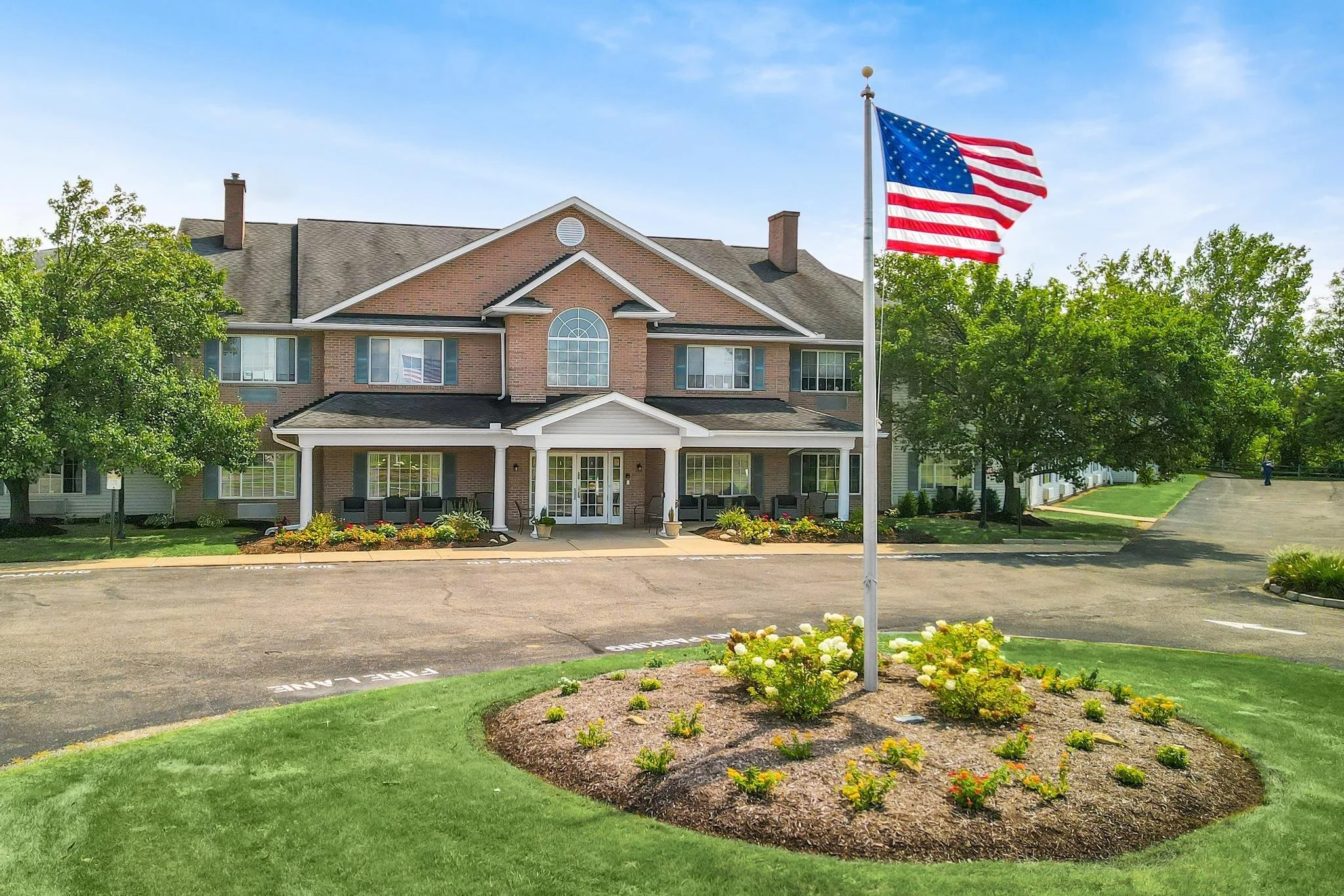
Senior housing is the most compelling investment opportunity I’ve seen in all my years in the real estate industry. By 2030 there will be a shortfall of 550,000 units.


Christopher Finlay
Founder/Executive Chairman
The thesis is compelling and increasingly urgent:
new construction cannot keep pace with the aging population — and the window to invest is closing.
Zero
Senior living construction projects underway in over 50% of the 140 markets NIC tracks
89.9%
Occupancy rates across NIC MAP’s 31 primary markets in 2Q26, with occupancy increases projected
67 Million
Baby Boomers begin turning 80 in 2026 - the average move-in age for senior housing
The Time to Invest is Now

-
Senior housing occupancy rates grew +0.4% in 2Q26, the 20th consecutive quarter of occupancy increases. Every 1% in occupancy improvement flows directly to NOI.
-
Institutional investors are waking up to this opportunity, with $21.8B in M&A volume recorded in 2025 (+40% YoY). Prices per unit increased +43% YoY as well, with institutions reloading multi-billion-dollar funds.
-
The cap rate arbitrage between primary and secondary markets is closing quickly. Lloyd Jones targets secondary markets due to more attractive cap rates.
The Forgotten Middle:
Outsized Value, Overlooked Markets

Middle Markets
70% of seniors can't afford luxury housing. Yet, what little new supply exists is almost entirely ultra-luxury, at $12,000–$14,000+/month.
The middle market is where demand continues to outpace supply, with few
new developments to narrow the gap.

Secondary Markets
With REITs predominantly investing in primary markets, secondary markets offer attractive value. This is where Lloyd Jones focuses.
Lloyd Jones targets a going-in cap rate of 6-8%, with 8-9% pro forma cap rates which secondary markets support.